
Intrauterine Insemination (IUI)
- Common indicators for IUI
Patients who have been diagnosed with unexplained infertility, mild male factor infertility, a cervical factor, or irregular or absent ovulation are often good candidates for IUI.
The goal of this treatment is to increase the number of sperm that reach the Fallopian tube and subsequently increase the chance of fertilization. IUI provides the sperm an advantage by giving it a head start but still requires the sperm to reach and fertilize the egg on its own. Depending on your fertility diagnosis, IUI can be coordinated with your normal cycle or with fertility medications.
A physician may also recommend IUI in cases where a woman or couple needs donor sperm. Before you and your doctor make the decision about whether or not IUI is right for you, you will undergo standard infertility testing.
Intrauterine insemination (IUI) is a formal fertility treatment where the sperm, from either partner or a sperm donor is placed inside the woman’s womb. This is to encourage fertilisation, and the aim is to increase the number of sperm reaching the egg, whereby passing the vagina and the cervix. This may increase the chance of fertilisation by having the sperm directly entering the tubes.
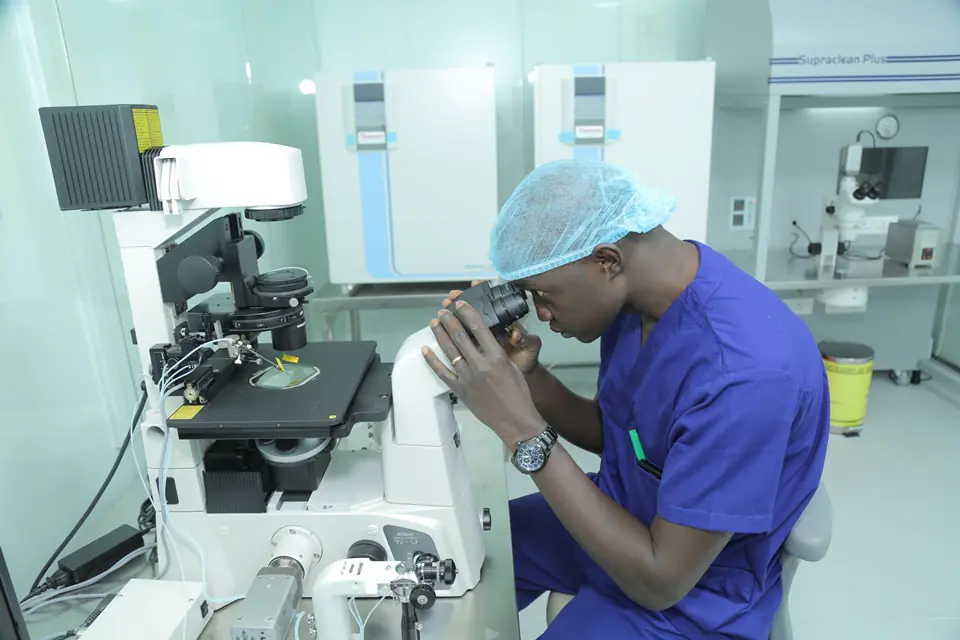
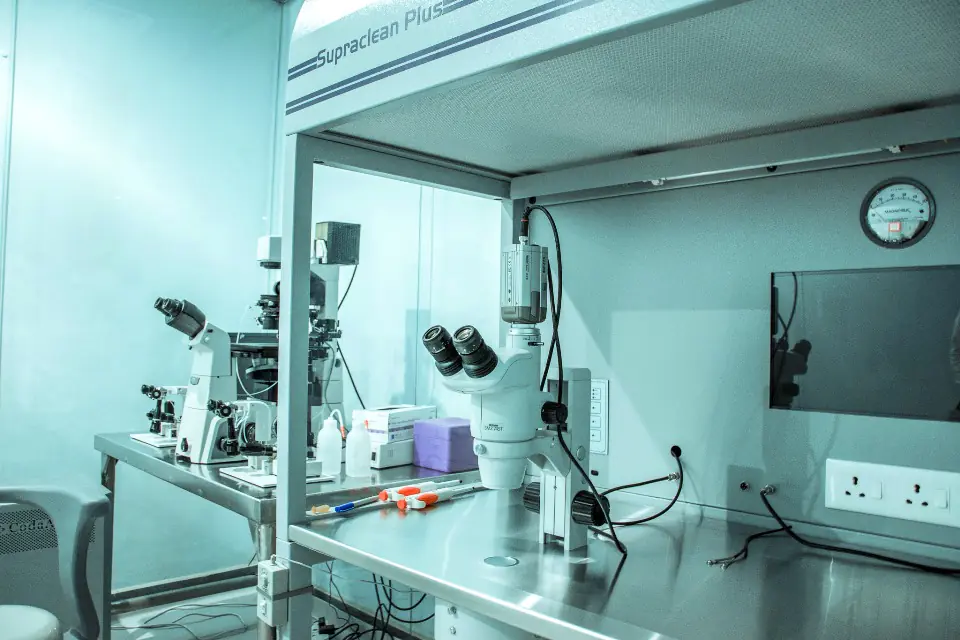
IUI involves a laboratory procedure to separate fast-moving sperm from more sluggish or non-moving sperm. Sperm produced by masturbation are separated in the laboratory and are then placed into the woman’s uterus close to the time of ovulation when the egg is released from the ovary.
This treatment may be offered to improve the chance of conception if sperm quality is slightly low. It is not appropriate for cases when sperm quality is poor. The procedure is also not recommended when the fallopian tubes are damaged.
How does IUI work?
If you are not using fertility drugs, IUI is carried out between day 12-16 of your monthly cycle. We may ask that you carry out testing yourself using an ovulation predictor kit to detect the hormone surge that signals imminent ovulation. Mr. Gudi and Mr. Shah will offer scan monitoring to make the timing of insemination more accurate.
Alternatively, if we recommend that you use fertility drugs to stimulate ovulation, vaginal ultrasound scans will be used to track the development of your eggs. As soon as an egg is mature, you will be given a hormone injection (Ovitrelle/ Pregnyl) to stimulate its release.
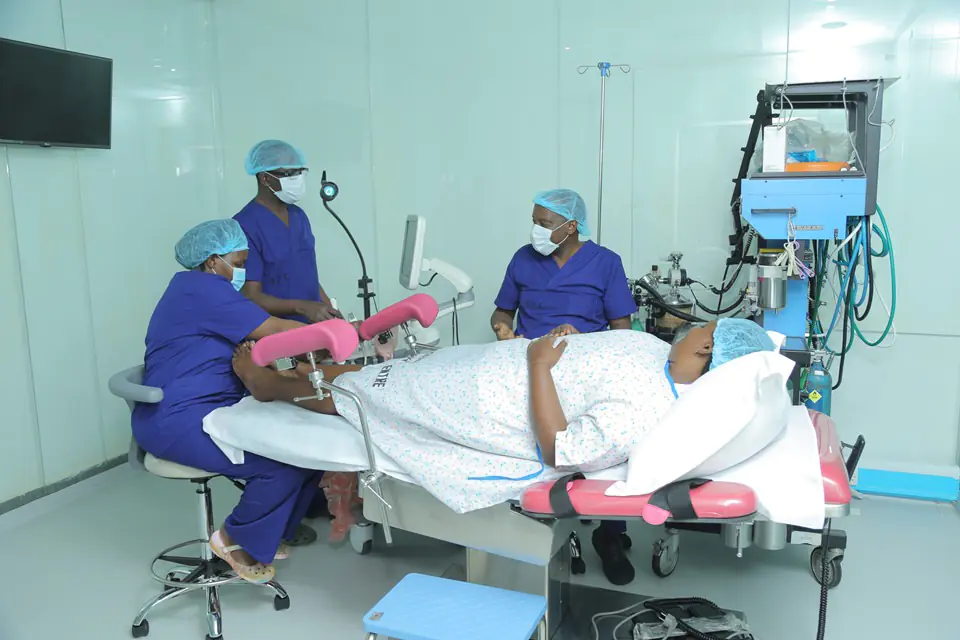
The sperm will be inseminated 24 to 36 hours after your ovulation. The procedure is very similar to having a smear test with a speculum. A small catheter (a soft, flexible tube) is then threaded into your womb via your cervix. A prepared sperm sample, containing the best quality sperm, is inserted through the catheter. The whole process takes just a few minutes and is usually painless but some women may experience temporary, menstrual-like cramping. Following the procedure, we may recommend that you rest for 15-20 minutes before going home. The entire procedure is witnessed by at least two professionals to ensure that right sperm is inseminated in the right patient.
If your partner is unable to provide sperm, or if you do not have a male partner, you may wish to consider using donated sperm.