
Intracytoplasmic Morphologically Selected Sperm Injection (IMSI)
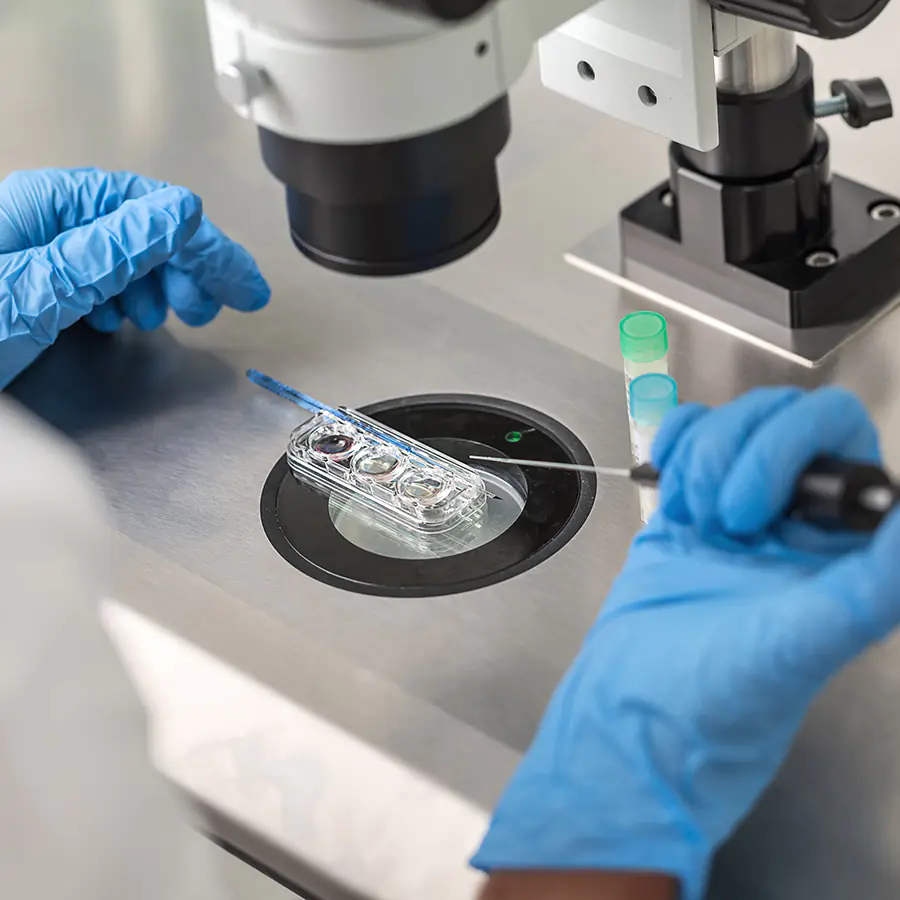
IMSI uses specialized lenses and software to magnify the sperm much more than usually used. The large-magnitude morphological selection of sperm allows the selection of the best sperm in real-time and its direct use in ICSI.
As a first step, the primary sperm selection process is done as done for standard ICSI. A few more sperms are selected than required. These sperm are now seen under High magnification, and their structure is carefully studied. Of these, only the structurally normal sperm is selected and used for fertilization with ICSI.
IMSI technique is a subjective analysis; the experience of our expert embryologist plays a crucial part in the success.
Who is IMSI recommended for?
IMSI is recommended in the following cases:
- Low sperm morphology – High number of abnormal shaped sperms
- Low sperm quality.
- Past ICSI failures.
What are the steps involved in the IMSI procedure?
- Sperm Selection: Sperm samples are collected from the male partner and prepared for fertilization as per routine IVF-ICSI protocol.
- Egg Retrieval: Eggs are retrieved from the female partner through a minor surgical procedure
- Low-Magnification Microscopy: Sperms are selected from prepared sample as per routine ICSI in higher number than required
- High-Magnification Microscopy: Sperm selected in low magnification are placed under high-magnification microscopy, allowing for detailed assessment of sperm morphology. Sperms with normal morphology- normal structure are selected
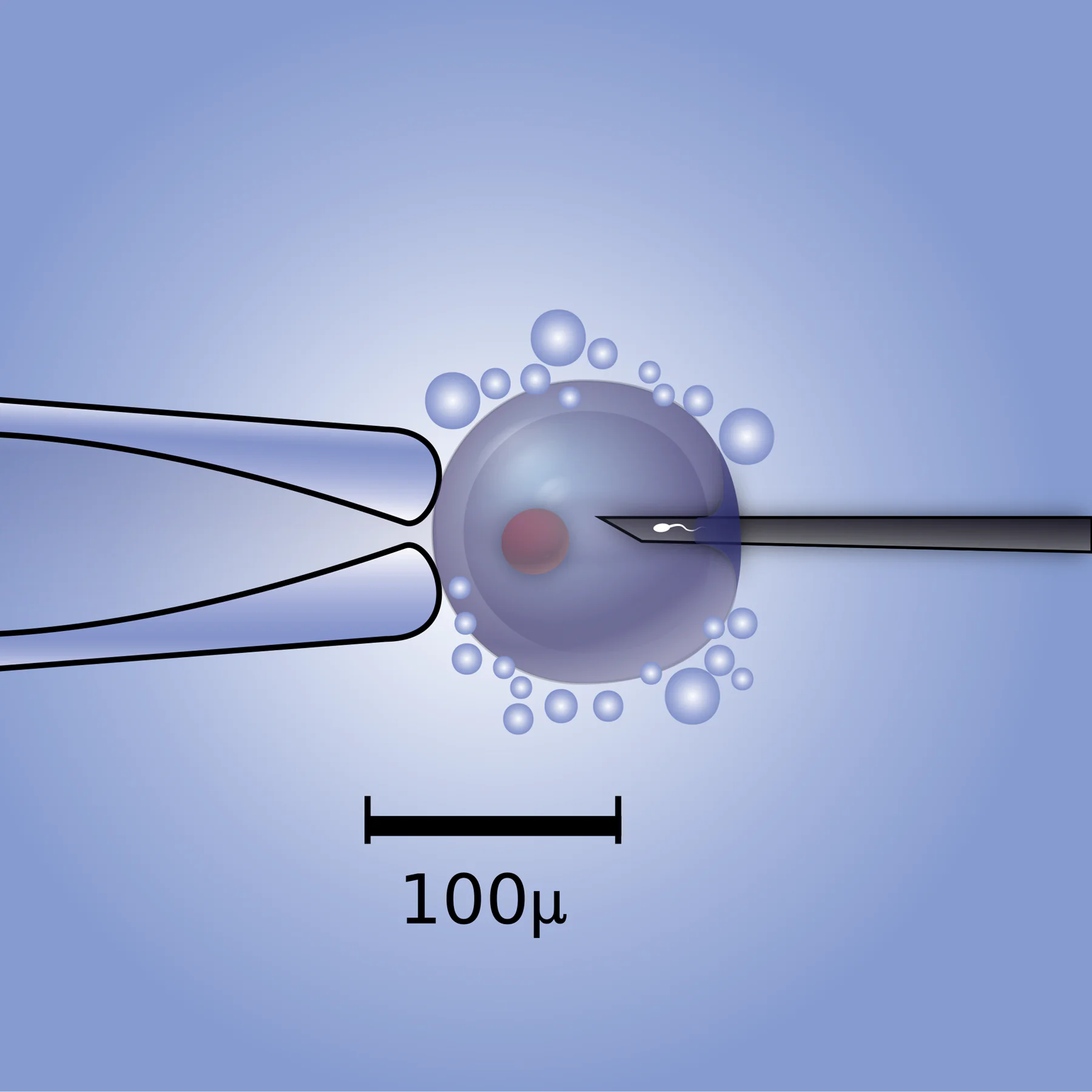
- Injection: The selected sperm are injected directly into the egg using a fine needle, a process known as intracytoplasmic injection.
- Embryo Culture: Fertilized embryos are cultured in the laboratory for a few days before being transferred into the woman’s uterus.
Why perform IMSI
IMSI is performed to improve the chances of successful fertilization and pregnancy in couples struggling with infertility, particularly when male factor infertility is a contributing factor. By selecting sperm with optimal morphology, IMSI aims to enhance embryo quality and increase the likelihood of a successful outcome.
Is IMSI better than ICSI?
While both IMSI and ICSI involve the injection of sperm into the egg, IMSI offers the added advantage of selecting sperm with the highest morphological quality. Studies suggest that IMSI may result in higher fertilization rates and improved pregnancy outcomes compared to ICSI, particularly in cases of severe male factor infertility.
Advantages of using IMSI
- Enhanced Sperm Selection: IMSI allows for the selection of sperm with the highest morphological quality, potentially leading to improved embryo quality and higher pregnancy rates.
- Reduced Risk of Abnormalities: By selecting sperm with optimal morphology, IMSI may reduce the risk of genetic abnormalities and chromosomal abnormalities in the resulting embryos.
- Improved IVF Success Rates: Studies suggest that IMSI may result in higher fertilization rates and increased chances of successful pregnancy compared to conventional IVF or ICSI.
Disadvantages of using IMSI
-
- Cost: IMSI may be more expensive than conventional IVF or ICSI due to the additional equipment and expertise required for sperm selection under high-magnification microscopy.
- Availability: IMSI may not be available at all fertility clinics, limiting access for some couples.